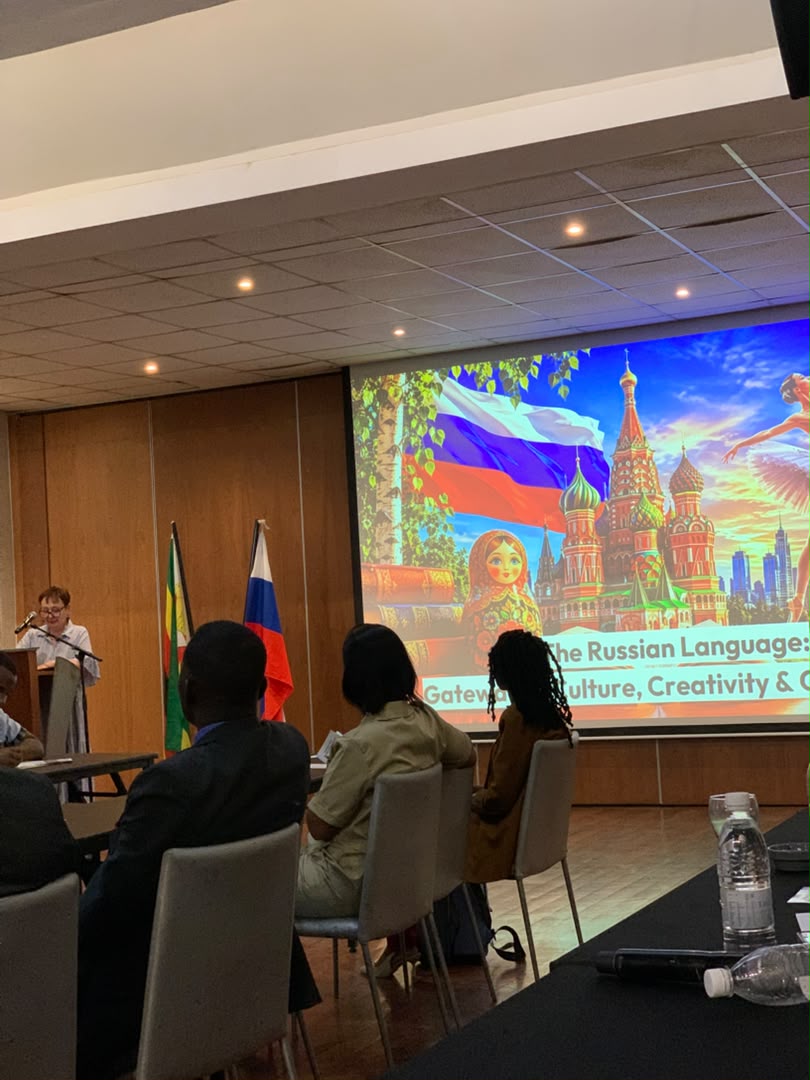
Language is more than a means of communication. It is a bridge between cultures, a tool for diplomacy and a pathway to international opportunities. This message emerged from the seminar titled “Why Study the Russian Language?”, hosted by the Embassy of the Russian Federation in Zimbabwe on 5 November 2026 at The Venue, Avondale, Harare.
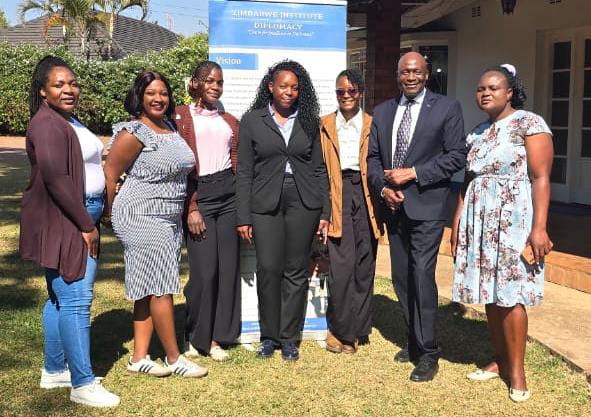
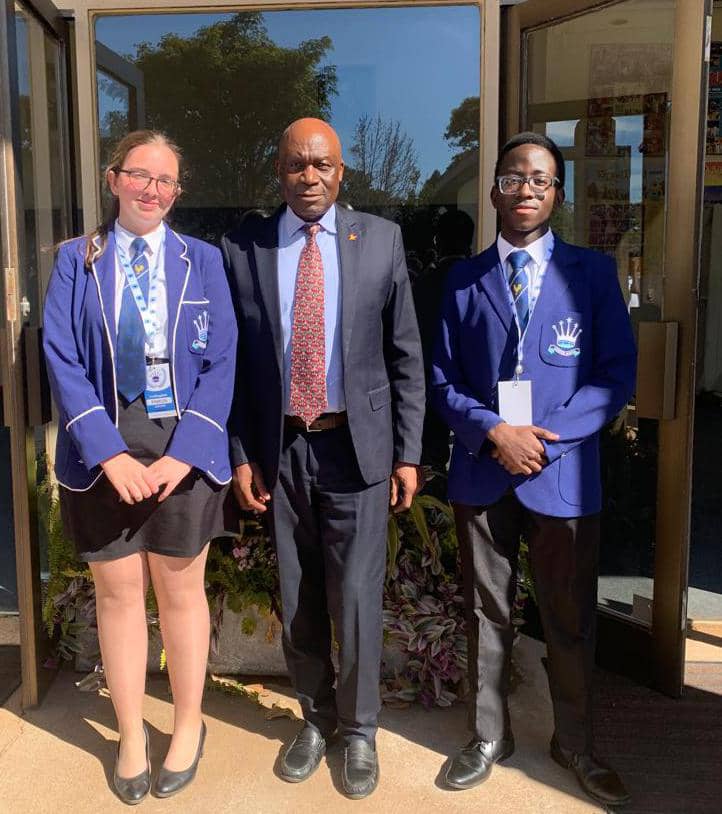
The seminar brought together students and alumni of the Zimbabwe Institute of Diplomacy, led by the Institute’s Chairperson, Ambassador Vova A. Chikanda. Other participants included Zimbabwean graduates of Russian scholarship programes, members of social non-governmental organizations, friends of Russia, high school students and members of the general public.
The discussions explored the growing relevance of the Russian language in education, science, technology, cultural exchange and international relations, particularly within the context of Russia’s engagement with Zimbabwe and the wider African community.
As one of the six official languages of the United Nations, Russian occupies an important place in multilateral diplomacy. Its study offers opportunities to deepen cross-cultural understanding, facilitate international dialogue and strengthen people-to-people relations that contribute to peaceful cooperation.
The programe began with a screening of the Russian film Ivan Vasilyevich Changes Occupation, introducing participants to Russian cinema and cultural expression. Presentations followed on the literary contributions of Ivan Bunin, Russian folklore and oral traditions, historical scientific achievements and technological innovation.
Particular attention was given to Russia’s scientific development, from the launch of Sputnik to advances in artificial intelligence, and the lessons Zimbabwean youth could draw from these experiences. Personal accounts from individuals who had studied in Russia further illustrated the educational, professional and cultural opportunities associated with learning the language.
For ZID students and alumni, the seminar offered valuable insights into the relationship between language proficiency and effective diplomatic engagement. Understanding foreign languages and cultures enhances communication, encourages mutual respect and strengthens the ability to navigate diverse international environments.
The seminar also highlighted the potential contribution of language education to Africa’s development through academic exchanges, scholarships, scientific collaboration and stronger international partnerships.
Ultimately, the gathering reinforced an important principle of contemporary diplomacy: meaningful international relations are built not only through formal agreements, but also through cultural understanding, education and sustained dialogue.
For the Zimbabwe Institute of Diplomacy, participation in the seminar reflected its commitment to exposing students and alumni to practical experiences that broaden their understanding of cultural diplomacy and international cooperation.
Language connects people. Understanding builds trust. Diplomacy strengthens relations.